
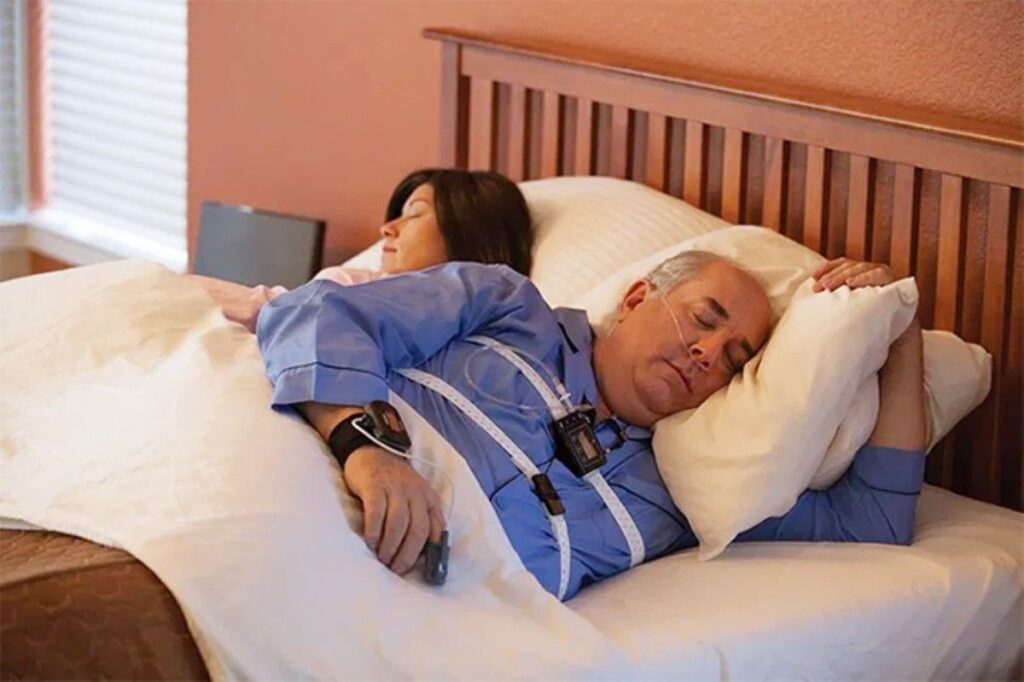
This guide breaks down six practical factors that typically change the final bill, so they can compare options with confidence.
What is a Brisbane sleep study, and what does the price usually include?
A sleep study is a clinical assessment that records breathing, oxygen levels, sleep stages, and other signals to diagnose conditions like obstructive sleep apnoea. The price usually covers equipment or lab facilities, setup, data recording, scoring, and a clinician’s report.
Some providers bundle follow-up and treatment discussions, while others charge separately. The “headline price” can look similar between clinics, but inclusions often differ.
How does the type of sleep study change the cost?
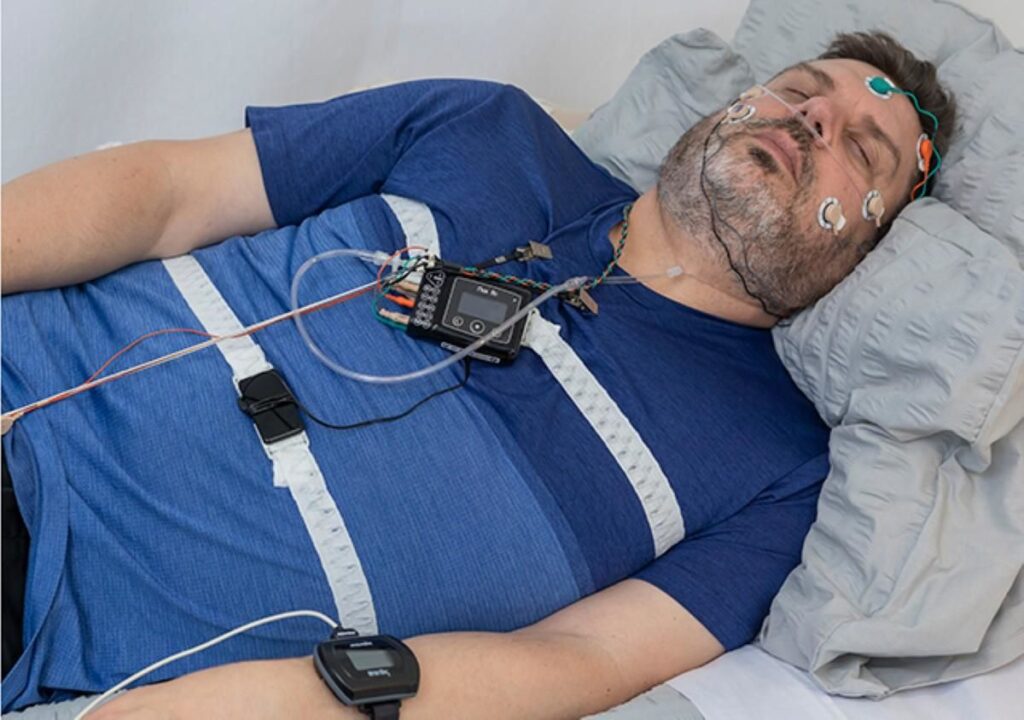
The study type is one of the biggest drivers of Brisbane sleep study cost because it determines the level of complexity and staff involvement required. In Brisbane, the main categories are in-lab polysomnography and at-home sleep tests. In-lab studies typically result in a higher Brisbane Sleep Study Cost because they require specialised sleep rooms, advanced monitoring equipment, multiple sensors, and overnight supervision by trained technicians. Home-based studies are often more affordable, which can lower the overall Brisbane Sleep Study Cost; however, they usually measure fewer channels, which may limit the range of conditions that can be diagnosed in a single test.
Why does an in-lab study cost more than a home sleep test?
In-lab testing usually includes overnight supervision, higher-grade equipment, and more comprehensive data collection. They are paying not just for sensors, but for the facility, staffing, and safety protocols.
Home tests reduce overheads, but they can include hidden extras like equipment deposits, courier fees, or charges for re-testing if the data quality is poor. When comparing quotes, they should check whether the provider includes troubleshooting and repeat-night policies.
How do specialist fees and report quality affect the price?
A low upfront fee can sometimes mean a more limited interpretation, while a higher fee may reflect senior specialist oversight and detailed reporting. The cost can rise when a sleep physician reviews complex results, correlates symptoms, and writes a treatment-ready report.
They should confirm who signs the report and whether the interpretation is done locally or outsourced. Report turnaround time can also influence price, especially if “urgent” processing is offered.
What role do follow-up appointments and treatment planning play in total cost?
The study is only one part of the pathway, and follow-ups can add significantly to the total. Some providers include a results consultation, while others bill separately for the appointment and any treatment planning.
If they may need CPAP discussion, mask fitting advice, or a referral for additional testing, it helps to ask what is included after the report is issued. A cheaper study can become more expensive if multiple paid visits are required to reach a diagnosis and plan. You may like to visit https://www.nsw.gov.au/departments-and-agencies/wslhd/services/respiratory-sleep-medicine/nasal-cpap to get more about nasal CPAP.
How do Medicare, private health, and referrals influence out-of-pocket pricing?
Out-of-pocket cost depends heavily on eligibility, billing practices, and whether the service is hospital-based or provided through a private clinic. Medicare rebates may apply in certain circumstances, typically with the right referral and item eligibility, but this varies by provider and setting.
Private health may reduce costs for hospital-based testing, depending on their level of cover and excess. They should ask for an itemised quote and confirm what is claimable before booking, because “rebate available” does not guarantee low out-of-pocket fees.
Why do add-ons like CPAP trials, equipment hire, and repeat tests change the final bill?
Many sleep study quotes exclude add-ons that are common in real-world care. Costs can increase with CPAP trials, device hire, consumables, mask fittings, or extra nights of testing.
Repeat studies can also be required if results are inconclusive, the equipment fails, or symptoms don’t match findings. They should ask whether the provider discounts repeat nights, includes technical support, and offers a clear pathway if the first test does not answer the clinical question.
How can they estimate their likely Brisbane sleep study cost before booking?
They can usually get a reliable estimate by requesting a written quote that lists inclusions and likely next steps. The most useful questions are: which study type is recommended, who interprets the results, what follow-up is included, and what common add-ons cost.
If they compare providers on “total pathway cost” rather than just the test fee, pricing becomes clearer. A slightly higher upfront price can be better value if it includes high-quality reporting and a results appointment that moves treatment forward.
More to Read : Canberra Sleep Study Cost: A Complete Patient Guide
FAQs (Frequently Asked Questions)
What factors influence the cost of sleep studies in Brisbane?
The cost of sleep studies in Brisbane varies based on the location of the study, the type of measurements taken, and the level of clinical support provided. Factors such as study type (in-lab or at-home), specialist fees, report quality, follow-up appointments, and additional services like CPAP trials also impact the final price.
How does the type of sleep study affect pricing in Brisbane?
In Brisbane, in-lab polysomnography typically costs more due to specialised facilities, comprehensive sensors, overnight monitoring, and staff supervision. At-home sleep tests are generally cheaper but may measure fewer channels and could incur hidden costs like equipment deposits or courier fees.
Why are in-lab sleep studies more expensive than home-based tests?
In-lab studies involve higher-grade equipment, specialised rooms, overnight supervision by trained staff, and safety protocols which increase overheads. Home tests reduce these costs but might include additional charges for troubleshooting, equipment hire, or repeat testing if data quality is insufficient.
How do specialist fees and report quality impact sleep study costs?
Higher fees often reflect detailed interpretation by senior sleep physicians who review complex results and provide comprehensive treatment-ready reports. Lower upfront fees may mean limited analysis. Additionally, factors like who signs the report, whether interpretation is local or outsourced, and turnaround time can influence pricing.
What should patients consider about follow-up care when budgeting for a sleep study?
Follow-up appointments and treatment planning can significantly add to total costs. Some providers include results consultations and treatment discussions in their initial price; others charge separately. Patients should clarify what post-study services are included—such as CPAP advice or mask fittings—to avoid unexpected expenses.
How do Medicare rebates and private health insurance affect out-of-pocket costs for sleep studies?
Out-of-pocket expenses depend on eligibility criteria, billing practices, and whether the service is hospital-based or from a private clinic. Medicare rebates may apply with appropriate referrals but vary by provider. Private health insurance might reduce hospital-based testing costs depending on cover levels and excesses. It’s essential to request an itemised quote to understand claimable amounts before booking.