
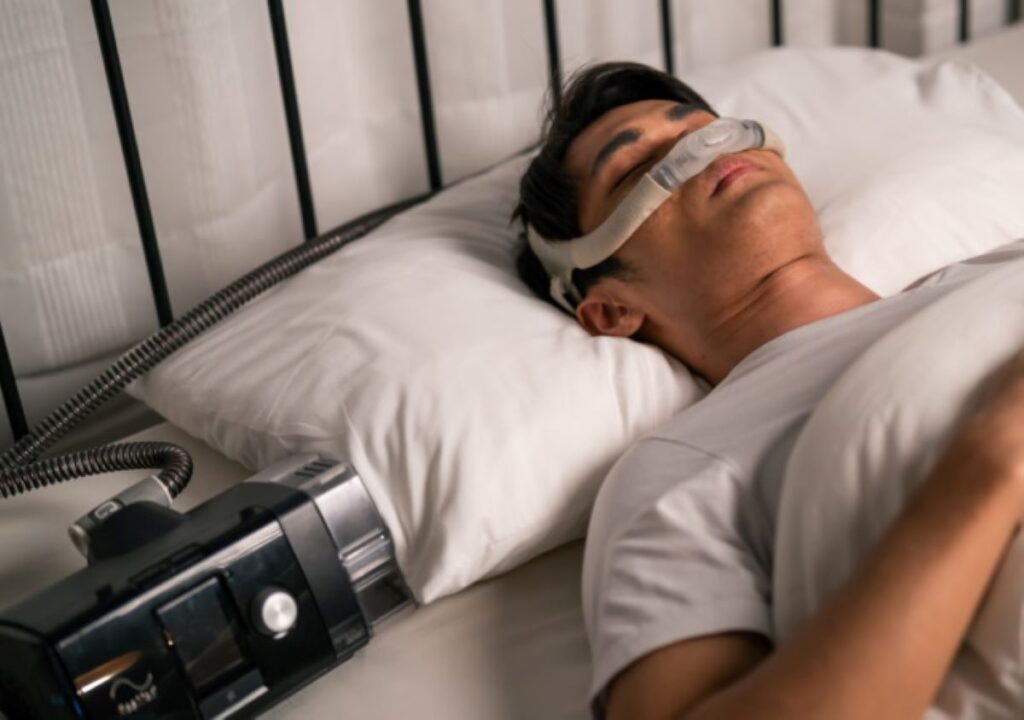
What is a sleep study, and what does it test?
A sleep study (polysomnography or a home-based test) measures breathing, oxygen levels, heart rate, movement, and sleep stages. The main aim is to diagnose conditions like obstructive sleep apnoea, insomnia-related disturbances, restless legs, and parasomnias.
Most patients are referred because of loud snoring, choking or gasping at night, unrefreshing sleep, morning headaches, or daytime sleepiness.
How much does a sleep study cost in Canberra?
Costs vary widely based on whether the test is completed at home or in a sleep laboratory, whether Medicare rebates apply, and what services are included in the overall fee. As a result, Canberra sleep study cost can differ significantly between providers. In Canberra, patients commonly see prices ranging from a few hundred dollars for certain home-based tests to well over a thousand dollars for comprehensive in-lab studies, directly influencing the total Canberra sleep study cost.
Patients should also expect that Canberra sleep study cost may include separate line items for the diagnostic test itself, specialist interpretation and reporting, and follow-up consultations—unless the clinic offers an all-inclusive package that bundles these components together.
Why do Canberra sleep study prices vary so much?
Prices change because sleep studies are not one single product. The equipment, staff time, monitoring level, and analysis workload differ significantly across test types.
Clinic model also matters. Some providers bill Medicare and charge a gap, some are private-fee only, and some bundle consultations and reporting while others bill these separately.
What is the difference in cost between a home sleep test and an in-lab study?
Home sleep tests are usually cheaper because they use fewer sensors and do not require overnight staffing. They are commonly used to assess suspected obstructive sleep apnoea in straightforward cases.
In-lab studies cost more because they involve a monitored overnight stay and more comprehensive data collection. They are more likely to be recommended when symptoms are complex, when previous testing was inconclusive, or when other sleep disorders are suspected.
What fees should patients expect besides the sleep study itself?
Many patients focus on the overnight test price and miss the rest of the pathway. Common additional costs include the initial sleep physician consultation, the clinician’s report, and a review appointment to explain results and plan treatment.
If treatment is recommended, there may also be costs for CPAP trials, mask fitting, equipment purchase or rental, and ongoing follow-ups. They should ask for a written quote that lists every expected fee.
Does Medicare cover sleep studies in Canberra?
Medicare can cover part of the cost for eligible sleep studies and consultations, but it rarely means “free”. Whether a rebate applies depends on the type of test, the provider’s billing approach, and the patient’s referral and clinical eligibility.
Patients should confirm, in writing if possible, which items are billed to Medicare, what the expected rebate is, and what out-of-pocket gap they will pay.
Will private health insurance reduce the cost?
Private health insurance may help more with in-hospital or in-lab studies, depending on the policy and whether the facility is covered. Extras cover sometimes contributes to CPAP equipment, but this varies widely and often has waiting periods and annual limits.
They should check three things with their insurer: whether the provider is recognised, whether the facility is covered, and what excess, co-payments, or exclusions apply. Click here to get more about Brisbane sleep study cost: 6 factors that affect pricing.
What questions should patients ask a Canberra clinic before booking?
They should ask for clarity on total cost, not just the test fee. The most useful questions are practical and specific:
- What is the total out-of-pocket cost for the whole process, including consults and reporting?
- Is this a home test or in-lab study, and why is that option recommended?
- Is Medicare billed, and what is the estimated rebate and gap?
- Are follow-up appointments included or charged separately?
- If CPAP is recommended, are trials, education, and mask fitting included, and what do they cost?
How can patients reduce out-of-pocket costs without delaying care?
They can often reduce costs by comparing like-for-like quotes and checking what is bundled. A slightly higher headline fee may be cheaper overall if it includes reporting and follow-up.
They can also ask whether a home test is clinically appropriate before committing to an in-lab study. If they have private insurance, they should confirm coverage before booking, not after.
What happens after the results, and what costs come next?
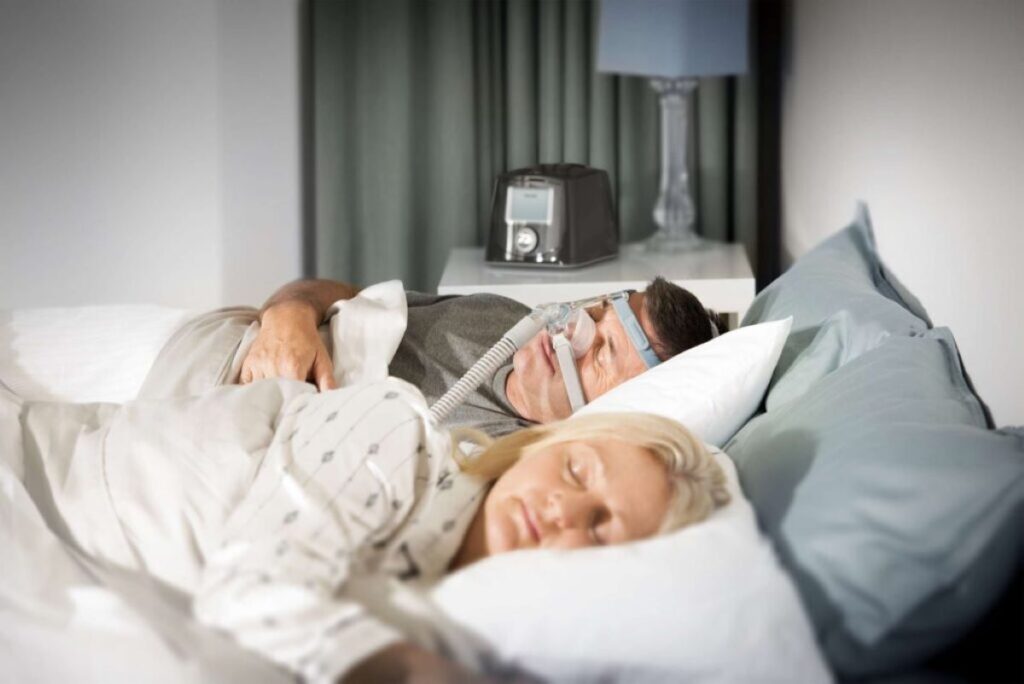
After results, the next costs depend on the diagnosis and severity. For obstructive sleep apnoea, treatment commonly involves CPAP therapy, which may include a trial period, machine setup, and mask options.
Ongoing costs can include replacement masks and filters, follow-up consultations, and compliance reports if required for safety-critical jobs. Patients should ask for a treatment cost range at the results appointment so they can plan ahead.
How should patients choose the right option for their budget and symptoms?
They should choose based on clinical fit first and price second. A cheaper test that misses the problem can lead to repeated testing, delays, and higher total cost.
The best approach is for them to request a clear explanation of why a particular study type is recommended, a written breakdown of fees, and a realistic estimate of follow-up and treatment costs. That simple transparency is usually the difference between a smooth process and an expensive surprise.
FAQs (Frequently Asked Questions)
What is a sleep study and what conditions does it diagnose?
A sleep study, also known as polysomnography or a home-based test, measures breathing, oxygen levels, heart rate, movement, and sleep stages. It primarily diagnoses conditions such as obstructive sleep apnoea, insomnia-related disturbances, restless legs syndrome, and parasomnias.
How much does a sleep study typically cost in Canberra?
In Canberra, the cost of a sleep study varies widely depending on whether it’s conducted at home or in a lab, Medicare eligibility, and what’s included in the fee. Prices range from a few hundred dollars for some home tests to over a thousand dollars for in-lab studies. Additional fees for specialist reporting and follow-up appointments may apply unless bundled in an all-inclusive package.
Why do prices for sleep studies vary so much in Canberra?
Sleep study prices vary because they are not a single product; differences in equipment, staff time, monitoring levels, and analysis workload influence cost. Additionally, clinic billing models differ—some bill Medicare with a gap fee, others operate privately without Medicare billing, and some bundle consultations and reporting while others charge separately.
What is the cost difference between home sleep tests and in-lab studies?
Home sleep tests are generally cheaper since they use fewer sensors and don’t require overnight staffing. They are suitable for straightforward cases suspected of obstructive sleep apnoea. In contrast, in-lab studies are more expensive due to monitored overnight stays and comprehensive data collection, recommended for complex symptoms or inconclusive previous tests.
Does Medicare cover sleep studies in Canberra and what should patients know about rebates?
Medicare can cover part of the cost for eligible sleep studies and consultations but rarely covers the entire expense. Coverage depends on test type, provider billing approach, referral status, and clinical eligibility. Patients should confirm in writing which items are billed to Medicare, expected rebates, and any out-of-pocket gaps before proceeding.
How can patients reduce out-of-pocket costs for sleep studies without delaying care?
Patients can reduce costs by comparing like-for-like quotes and understanding what services are bundled. Sometimes paying a higher initial fee that includes reporting and follow-ups is more economical overall. They should also inquire if a home test is clinically appropriate before opting for an in-lab study and verify private health insurance coverage beforehand to avoid unexpected expenses.