
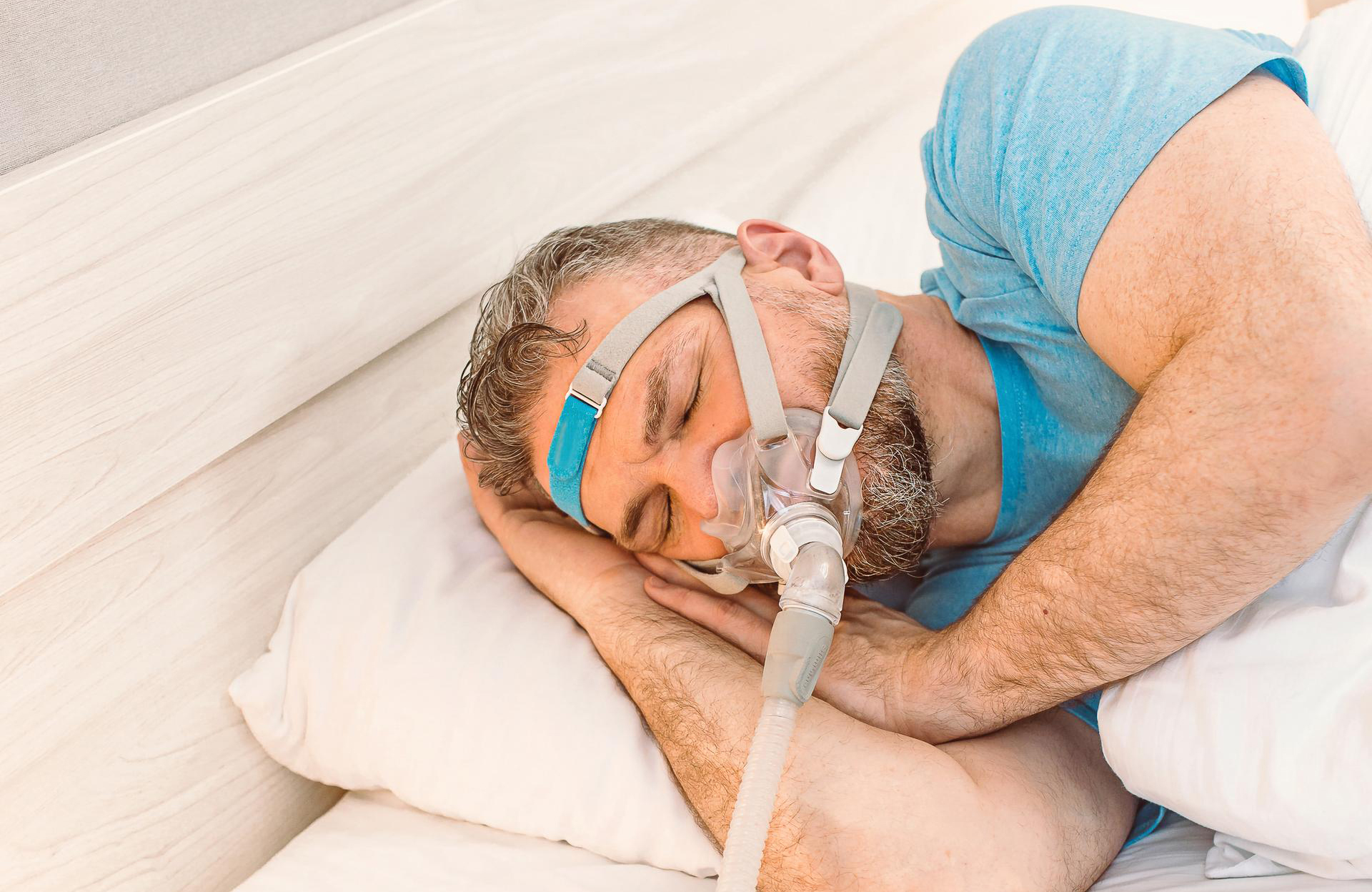
A home sleep test lets you do the monitoring in your own bed, which is a big deal if you are juggling work, kids or a long commute across Sydney. Across Australia, home testing has become a common route for diagnosing obstructive sleep apnoea. It is not right for everyone, though, and knowing where it fits will save you time and money. Here is the practical picture.
What the device records
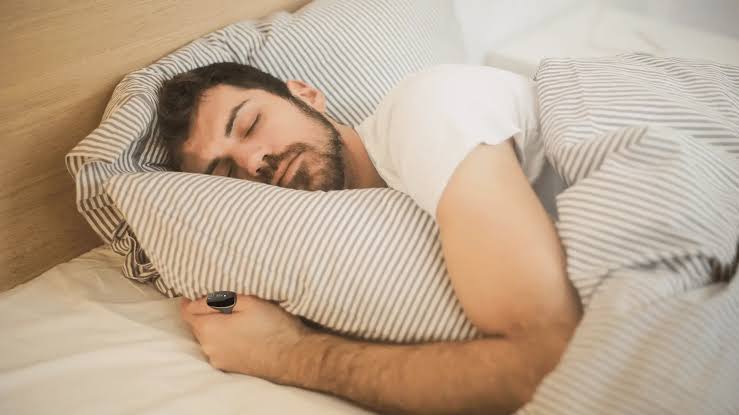
Most home Home Sleep Test Australia use a small recorder, a nasal airflow sensor, belts around the chest and abdomen to track breathing effort, and a finger oximeter to measure oxygen levels. You apply everything yourself after a clinician or provider briefing. The data is stored on the device and reviewed later by a clinician.
Who usually qualifies
Adults with a strong clinical suspicion of moderate to severe obstructive sleep apnoea are often good candidates. Your doctor will look at your symptoms, body weight, blood pressure and medical history. People with significant heart or lung conditions, opioid use, or possible central sleep apnoea may need an in-lab study instead.
The healthdirect obstructive sleep apnoea guide explains that sleep studies can be done at home for some people and in a sleep lab for others, which is why your clinician makes the call.
Why accuracy depends on setup
Home tests are only as good as the data you collect. Loose sensors, poor skin prep or a device switched off by accident can produce a short or unusable recording. That often means repeating the test, which costs time and money. Read the instructions twice, set everything up before bedtime, and check the device is recording the next morning.
What the research says
The Flinders University review on sleep disordered breathing diagnostics describes how home sleep apnoea testing is now used widely in clinical sleep centres. It also highlights emerging technologies and limitations, which is a good reminder that home testing is a tool, not a universal answer.
What happens after you return the device
Your results are scored and reviewed by a clinician, often a sleep physician. The report will include an apnoeahypopnoea index and oxygen data. If your results point to sleep apnoea, your doctor will talk through treatment options such as CPAP, oral appliances or lifestyle changes. If the result is unclear, your clinician may recommend a different test.
Costs in Australia
Home sleep tests are often cheaper than in-lab studies, and some providers bulk bill eligible patients. Still, ask about the full cost including scoring, reporting and consultation. Be cautious of cheap online offers that do not include clinical review, because a result without medical oversight can leave you with more questions than answers.
Sydney advantages and limits
For Sydney patients, home testing means no travel to a clinic and no night away from your own bed. That convenience is valuable, especially for shift workers. But you still need a local provider who can explain the result, coordinate with your GP and arrange treatment if needed.
Preparing your bedroom
A home test works best in a quiet, dark room where you normally sleep. Keep your phone charged but out of reach, and avoid sleeping with pets on the bed if they might disturb the sensors. If your partner shares the room, let them know about the leads and belts so they do not pull or move the device during the night. A little planning goes a long way.
What happens if you wake up at night
Waking during the night is normal, and it does not usually ruin the recording. If you need the bathroom, get up, but keep the device attached and avoid removing sensors. If a sensor comes loose, reattach it if you can and note the time. Providers can often work with partial data, but a clear note helps the reviewer understand what happened.
Sydney-specific logistics
If you live in an apartment building, check whether delivery and return require reception access or a locker.
Some Sydney providers offer couriers that collect from your door, which is a big help if you work long hours. Confirm the collection window before the test starts so you are not caught out.
Understanding the report you receive
Your report will show breathing events, oxygen dips and a severity estimate. Your clinician uses these, along with your symptoms, to decide what happens next. Do not draw conclusions from a single number, and do not hesitate to ask for a plain-English explanation at your results appointment. Good providers welcome those questions.
The takeaway
A home sleep test is a practical option in Australia for the right patient. Get the referral right, follow the setup carefully, and make sure someone reviews your results with you. Done properly, it can get you a diagnosis without leaving your bed.