
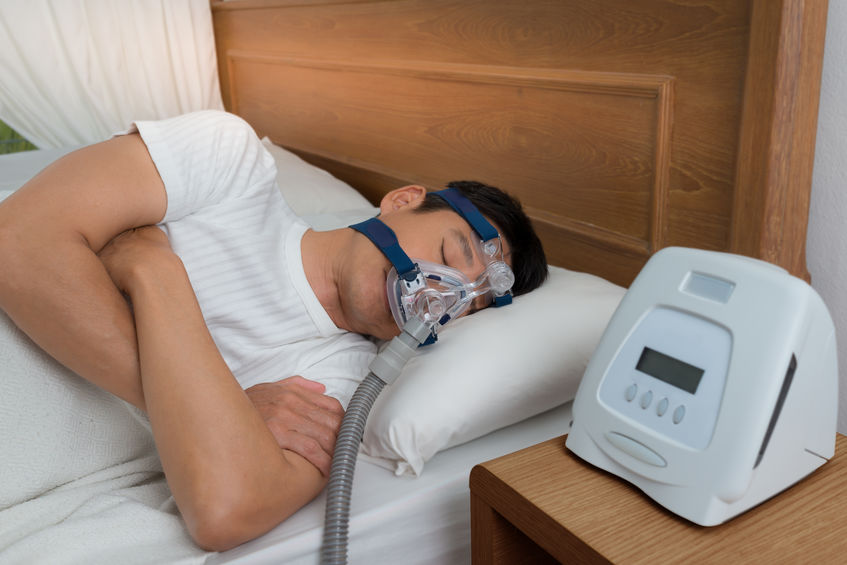
Nothing ruins a good night’s sleep faster than the hissing sound of escaping air or a cold blast of wind hitting your eyes. If you are struggling with a noisy, shifting interface, you need to know how to stop CPAP mask leaks tonight to ensure your therapy remains effective.
For many Australians using Continuous Positive Airway Pressure (CPAP) therapy, high-pressure settings often lead to seal failure. This guide provides a strategic framework to troubleshoot and fix mask leaks immediately, ensuring your Sleep Apnea treatment provides the restorative rest you deserve.
See more: Canberra Sleep Study Cost: A Complete Patient Guide
What Causes CPAP Mask Leaks at High Pressure?
Before fixing the leak, we must understand why it happens. A CPAP mask leak occurs when the pressurized air delivered by your machine escapes through the seal between the mask cushion and your skin.
While a small “intentional leak” is built into every mask to vent carbon dioxide, “unintentional leaks” compromise your therapy. At higher pressure settings (usually above $12\text{ cmH}_2\text{O}$), the force of the air can lift the silicone cushion away from the face, breaking the seal.
The Impact of Poor Mask Sealing
- Reduced Therapy Effectiveness: Your machine cannot maintain the “stinting” pressure needed to keep your airway open.
- Dry Eyes and Mouth: Air escaping toward the eyes causes irritation, while mouth leaks lead to severe dryness.
- Noise Disturbance: Both you and your partner lose sleep due to the sound of escaping air.
- Skin Irritation: Constant leaking can cause the mask to rub, leading to sores or rashes.
5 Expert Tips to Stop CPAP Mask Leaks Tonight
Fixing a leak doesn’t always require buying a new mask. Often, it is a matter of technique and positioning. Use these five proven strategies to achieve a perfect seal.
1. Adjust Your Mask While Lying Down
The most common mistake CPAP users make is fitting their mask while sitting up in front of a mirror.
Why it matters: When you lie down, gravity pulls your facial muscles and skin backward. This change in facial contour means a mask that feels tight while sitting will likely leak the moment you hit the pillow.
The Process:
- Loosen all straps.
- Lie down in your usual sleeping position.
- Turn the machine on to its full therapy pressure.
- Gently tighten the straps until the leak stops.
2. Utilize Specialized CPAP Pillows
Standard bed pillows are often too bulky for CPAP users. When you sleep on your side, a regular pillow pushes against the side of the mask, shunting it out of alignment.
The Solution: Invest in a specialized CPAP pillow. These pillows feature deep cut-outs on the sides. These “zones” allow the mask to hang freely over the edge of the pillow, preventing the bed surface from interfering with the seal.
3. Use the “Lift and Reach” Technique
If you notice a leak mid-night, don’t just pull the straps tighter. This often makes the leak worse by crushing the silicone cushion, preventing it from “inflating” against your skin.
The Strategy:
- Gently pull the mask about 2–3 centimetres away from your face while the machine is running.
- Let the air fill the outer and inner flaps of the silicone cushion.
- Slowly lower the mask back onto your face.
- This allows the “auto-seal” technology in modern masks to engage correctly.
4. Clean Your Face and Cushion Daily
Australia’s humid climate can lead to a buildup of facial oils and sweat on your mask cushion. These oils create a “slick” surface, making it nearly impossible for the silicone to grip your skin.
Best Practice:
- Wash your face: Use a mild, oil-free cleanser before bed. Avoid heavy moisturisers.
- Wipe the mask: Use a CPAP-specific wipe or a damp cloth with a drop of dish soap to remove oils from the cushion every single morning.
5. Check for “Mouth Breathing” Leaks
If you use a nasal mask or nasal pillows but wake up with a bone-dry mouth, you are likely experiencing a mouth leak. No amount of mask tightening will fix this; the air is escaping through your lips.
The Fix: Consider a chinstrap to keep your jaw aligned, or transition to a Full Face Mask that covers both the nose and mouth, ensuring pressure is maintained even if your mouth opens during REM sleep.
Comparing Mask Types for High-Pressure Seals
| Mask Type | Best For | High-Pressure Stability |
| Nasal Pillows | Active sleepers / low profile | Moderate (can dislodge at very high pressure) |
| Nasal Mask | Natural breathers | Good (requires stable jaw) |
| Full Face Mask | Mouth breathers / High pressure | Excellent (largest seal surface area) |
| Total Face Mask | Difficult facial contours | Superior (seals around the perimeter of the face) |
Advanced Troubleshooting for Persistent Leaks
If you have tried the basic adjustments and still face issues, it may be time to look at technical factors.
Inspect the Mask Parts
Silicone is a porous material. Over time, it loses its elasticity and becomes “floppy.” If your cushion is more than 6 months old, it may have microscopic tears or simply lost the structural integrity needed to hold a seal at $15\text{ cmH}_2\text{O}$ or higher.
Evaluate the “Ramp” Setting
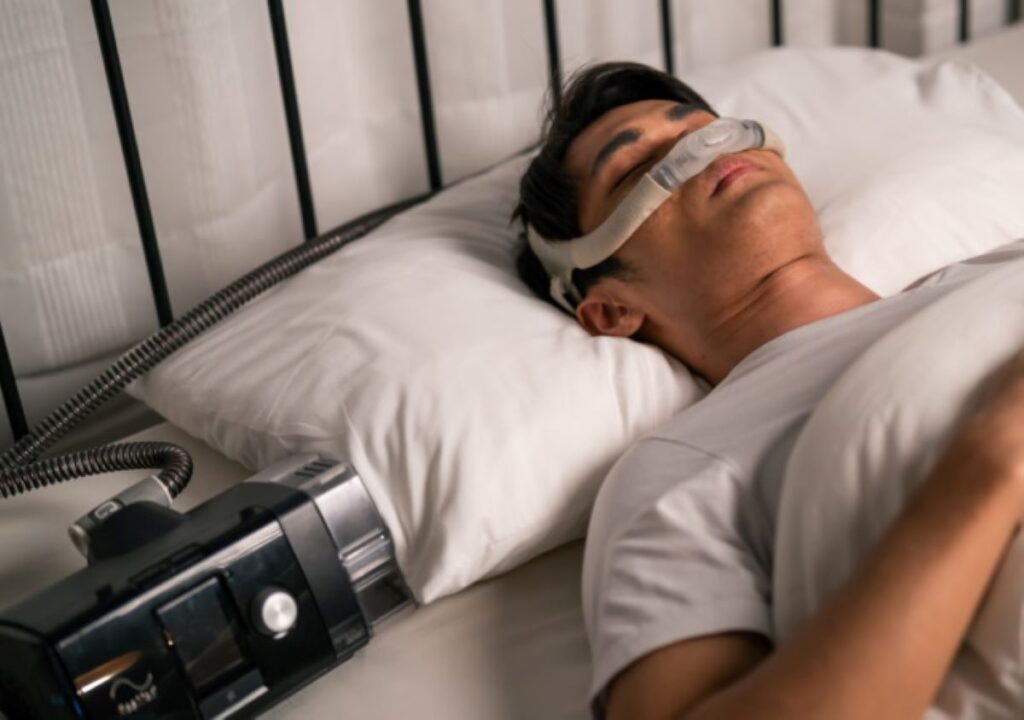
Many machines start at a low pressure (e.g., $4\text{ cmH}_2\text{O}$) and gradually increase. If you fit your mask during the ramp phase, it will almost certainly leak once the machine reaches full therapy pressure. Always test your seal at the maximum pressure setting of your prescription.
Consider a Mask Liner
For those with sensitive skin or facial hair, a fabric mask liner can act as a gasket. These liners absorb oils and provide a textured surface that helps the silicone stay in place, effectively “stopping CPAP mask leaks tonight” by filling in the small gaps created by stubble or skin folds.
Common Mistakes to Avoid
- Overtightening: This is the #1 cause of mask leaks. Over-tightening causes the cushion to pucker, creating even larger gaps for air to escape. It also leads to “bridge of the nose” sores.
- Using Old Cushions: A cushion that looks clean can still be “dead” in terms of seal performance. Replace cushions every 3–6 months.
- Ignoring Humidity Settings: If your humidity is too high, “rainout” (condensation) can collect in the mask, causing a bubbling sound and breaking the seal.
Internal Linking Suggestions
- Anchor: “Choosing the right CPAP mask size”
- Anchor: “Benefits of heated CPAP tubing”
- Anchor: “How to clean your CPAP equipment”
- Anchor: “Symptoms of high CPAP pressure”
Authoritative External References
- National Sleep Foundation (USA) – Search for “CPAP Adherence and Troubleshooting.”
- Sleep Health Foundation (Australia) – Search for “CPAP Guide for Patients.”
FAQ: Frequently Asked Questions
Why is my CPAP mask leaking into my eyes?
This usually indicates the top of the mask (near the bridge of the nose) is too loose or the mask is too large. Adjust the top straps specifically while lying down to redirect air away from the eyes.
How tight should a CPAP mask be?
It should be “snug, but not tight.” You should be able to slide one or two fingers under the straps comfortably. The seal is created by air pressure inflating the cushion, not by the force of the straps against your face.
Does facial hair affect CPAP seals?
Yes. Beards and stubble create tiny gaps that air can escape through. If you have a beard, a mask liner or a “nasal pillow” mask that sits inside the nostrils may work better than a traditional over-the-nose mask.
When should I replace my CPAP mask?
In Australia, most clinicians recommend replacing the silicone cushion every 3–6 months and the entire mask assembly (including headgear) every 12 months for optimal hygiene and seal.
Can a mask leak affect my AHI?
Absolutely. If the leak is high enough, the machine cannot accurately track your breathing or provide the pressure needed to stop apneas, leading to a higher Apnea-Hypopnea Index (AHI).
Conclusion: Take Action for Better Sleep
Learning how to stop CPAP mask leaks tonight is the difference between a night of frustration and a night of deep, healing sleep. By adjusting your mask while lying down, using a CPAP pillow, and ensuring your equipment is clean, you can overcome even the most stubborn high-pressure leaks.
Don’t let a poor seal compromise your health. If you have tried these steps and still struggle, your mask might be the wrong size or style for your facial structure.