

What does “bulk-billed sleep study” mean in Brisbane?
A bulk-billed sleep study usually means the provider bills Medicare directly and the patient pays nothing for the Medicare-covered component. In practice, it can still come with extra charges depending on the test type, the provider, reporting fees, equipment, consultations, or whether the service is fully covered under Medicare item rules.
Patients considering a bulk-bill sleep study brisbane provider should treat “bulk-billed” as a claim to verify, not a guarantee.
Which types of sleep studies can be bulk-billed?
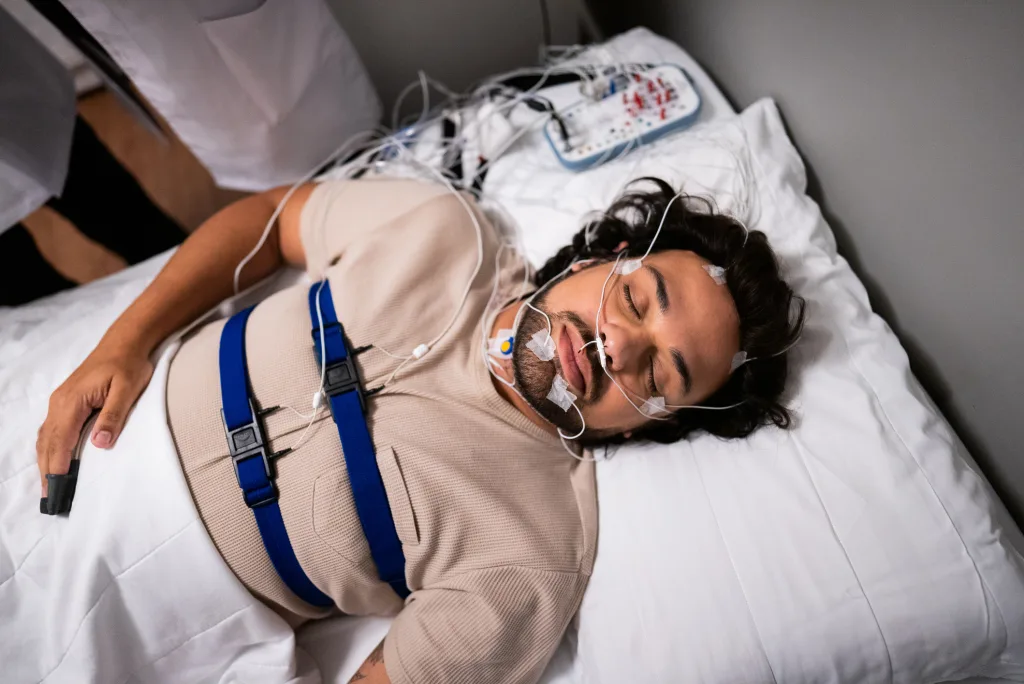
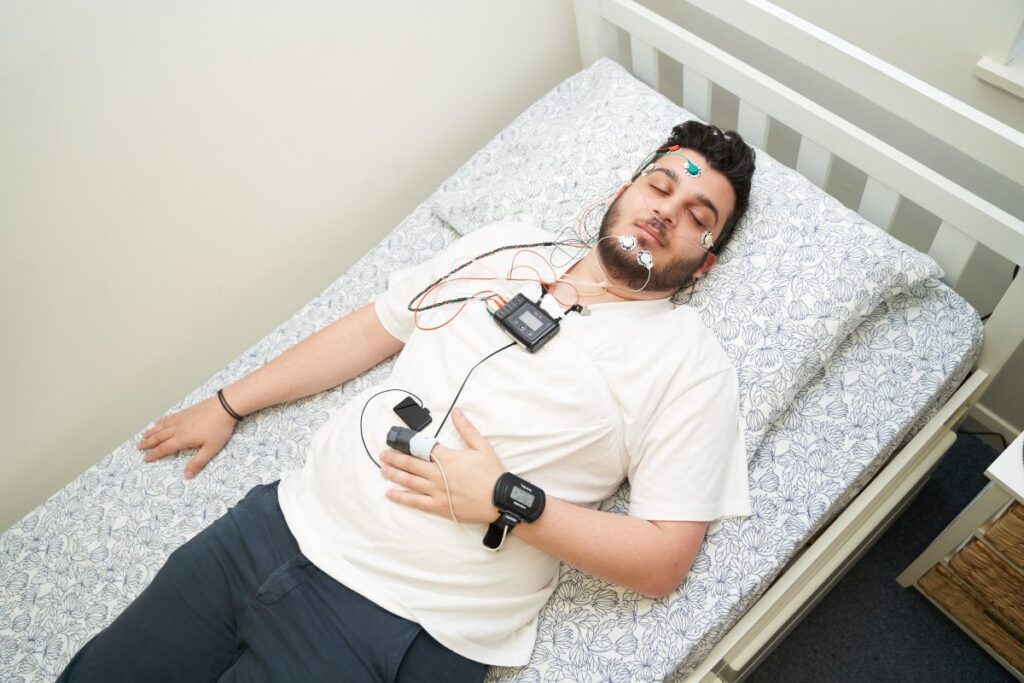
Some home sleep apnoea tests (HSAT) are more commonly offered as bulk-billed, while in-lab polysomnography can be harder to find fully bulk-billed due to higher facility and staffing costs. Availability also depends on clinical eligibility, the provider’s billing model, and whether a GP or specialist referral supports Medicare claiming.
They can often lower costs by asking whether a home study is clinically appropriate.
Who is usually eligible for a Medicare-rebated sleep study?
Eligibility depends on symptoms, medical history, and whether the study meets Medicare requirements for medical necessity. A referral is typically required, and many providers will only process a Medicare claim when documentation matches the relevant item descriptors and indications.
They can improve their chances by ensuring their referring clinician documents key symptoms like snoring, witnessed apnoeas, daytime sleepiness, or comorbid risk factors.
How can they find bulk-bill or low-gap sleep study providers in Brisbane?
They can start by asking their GP for clinics known to bulk-bill or offer low-gap arrangements, then call providers directly to confirm pricing. Many clinics advertise low-cost home sleep studies, but the real check is whether the study, reporting, and follow-up are included, and whether Medicare is billed.
They should request an itemised quote in writing before booking.
What questions should they ask before booking to avoid surprise fees?
They can reduce surprises by asking direct, practical questions upfront. The goal is to confirm what is included, what is billed to Medicare, and what remains payable.
They should ask:
- Is the sleep study fully bulk-billed, or are there any gaps?
- Are set-up, equipment, scoring, and reporting included in the price?
- Is there a separate consultation fee to interpret results?
- Will they receive a copy of the report, and is that included?
- Which Medicare item numbers will be claimed, if any?
- What happens if the study is inconclusive and needs repeating?
How do referrals affect out-of-pocket costs?
A referral often determines whether Medicare rebates apply at all. Without the right referral, a provider may charge privately, and Medicare may not contribute. Referrals may also affect whether a home test versus an in-lab study is supported.
They should confirm the referral type, validity dates, and whether the provider accepts it for Medicare billing before scheduling.
Can they reduce costs by choosing a home sleep study instead of a lab study?
Often, yes, if the clinician agrees it is suitable. Home studies can be cheaper, faster to book, and more likely to be offered on a bulk-billed or low-gap basis. Lab studies may be necessary for complex cases, suspected non-apnoea disorders, significant comorbidities, or prior inconclusive tests.
They should ask the clinician which option matches their risk profile and symptoms.
What costs commonly remain even when a sleep study is “bulk-billed”?
Even when the test itself is bulk-billed, other parts of the care pathway may not be. Common out-of-pocket costs can include the initial specialist appointment, follow-up consultations, CPAP trials, mask fitting, consumables, or optional add-ons.
They can limit spending by confirming the full pathway cost, not just the test fee.
How can they lower the cost of CPAP if obstructive sleep apnoea is diagnosed?
If CPAP is recommended, the biggest costs are usually the device and ongoing masks and supplies. They can reduce costs by comparing packages across providers, checking whether the clinic offers trials, and asking if prescriptions allow purchasing elsewhere.
They should also confirm whether ongoing support is bundled or billed separately, since “cheap CPAP” can become expensive if follow-ups are frequent and private. See home sleep study Sydney process, pros and cons before booking.
What should they do if they cannot find a bulk-billed sleep study quickly?
If bulk-billed options have long waits, they can still reduce costs by seeking low-gap providers, asking for a written quote, and confirming Medicare claiming. They can also ask their GP to mark the referral as urgent if clinically appropriate, or consider a home study pathway to speed access.
They should avoid booking on price alone if the provider cannot explain inclusions clearly.
How can they avoid paying twice for consultations and reporting?
They can prevent duplication by asking whether the report interpretation is included, whether the referring GP can manage results, and whether a separate sleep physician appointment is required. Some clinics structure pricing so the study is low-cost but follow-ups are higher.
They should ask for a total estimate that includes the report, a clear diagnosis, and a treatment plan.
What is the simplest checklist they can follow to reduce out-of-pocket costs?
They can keep it simple by treating the process like a short purchasing decision with medical guardrails.
They should:
- Confirm the referral supports Medicare claiming for the intended study type.
- Ask whether a home study is appropriate before defaulting to a lab study.
- Request an itemised quote that lists all fees and inclusions.
- Confirm what “bulk-billed” covers, including reporting and follow-up.
- Ask which Medicare item numbers will be billed and whether gaps apply.
- Compare at least two Brisbane providers on total pathway cost, not ads.
Conclusion: How can they get a sleep study in Brisbane without overpaying?
They can often reduce out-of-pocket costs by using the right referral, confirming Medicare eligibility, and choosing a provider that clearly states what is and is not included. A bulk-billed option may exist, but only careful questions will confirm whether it is truly low-cost from test to treatment.
They should prioritise a transparent quote, a clinically appropriate test type, and a plan that avoids hidden follow-up fees.
FAQs (Frequently Asked Questions)
What does a “bulk-billed sleep study” mean in Brisbane and are there any hidden costs?
A bulk-billed sleep study in Brisbane means the provider bills Medicare directly, so the patient pays nothing for the Medicare-covered component. However, it can still involve extra charges depending on test type, provider fees, equipment, consultations, or if the service isn’t fully covered under Medicare item rules. Patients should verify what “bulk-billed” covers to avoid surprises.
Which types of sleep studies are commonly bulk-billed and how can I reduce costs?
Home Sleep Apnoea Tests (HSAT) are more commonly offered as bulk-billed compared to in-lab polysomnography, which may have higher costs due to facility and staffing. Cost reduction is possible by confirming if a home study is clinically appropriate with your clinician and ensuring your referral supports Medicare claims.
Who is eligible for a Medicare-rebated sleep study in Brisbane?
Eligibility depends on symptoms like snoring, witnessed apnoeas, daytime sleepiness, medical history, and meeting Medicare’s medical necessity criteria. A referral from a GP or specialist documenting key symptoms is typically required for Medicare rebates to apply.
How can I find bulk-bill or low-gap sleep study providers in Brisbane?
Start by asking your GP for recommendations on clinics that bulk-bill or offer low-gap arrangements. Contact providers directly to confirm pricing details, including whether the study, reporting, and follow-up are included and if Medicare will be billed. Always request an itemised quote in writing before booking.
What questions should I ask before booking a sleep study to avoid surprise fees?
Ask whether the sleep study is fully bulk-billed or has any gaps; if set-up, equipment, scoring, and reporting are included; about consultation fees for interpreting results; whether you’ll receive a copy of the report; which Medicare item numbers will be claimed; and policies if the study needs repeating due to inconclusive results.
Can choosing a home sleep study instead of an in-lab study reduce my out-of-pocket costs?
Often yes—home sleep studies can be cheaper, faster to book, and more likely to be bulk-billed or low-gap if clinically appropriate. However, lab studies may be necessary for complex cases or certain conditions. Discuss with your clinician which option suits your symptoms and risk profile best.