
This guide covers what a home sleep study involves, who it suits, the main pros and cons, and what to expect from booking to results.
What is a home sleep study, and how does it work?
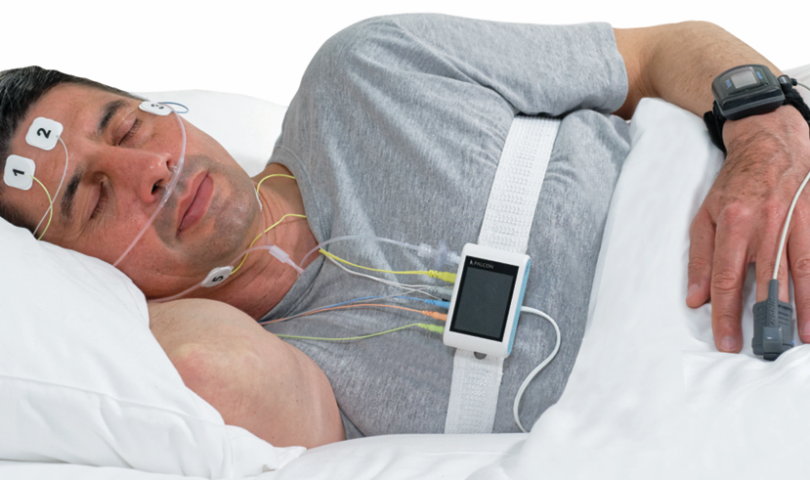
A home sleep study sydney is a take-home test that monitors breathing during sleep. It usually records airflow, breathing effort, oxygen levels, heart rate, and body position.
They are typically given a small device with sensors to place before bed. The data is then returned and reviewed by a sleep clinician, who prepares a report and recommends next steps.
Who is a home sleep study in Sydney best suited for?
They are best suited for people with a moderate to high likelihood of obstructive sleep apnoea. Common signs include loud snoring, witnessed pauses in breathing, morning headaches, and daytime sleepiness.
They can also suit people who prefer sleeping at home, have trouble sleeping in unfamiliar environments, or want a faster, lower-cost starting point than an in-lab study.
What are the main pros of doing a home sleep study?
The biggest advantage is comfort. They can sleep in their own bed, which often reflects a more typical night.
Home studies are also usually more affordable than in-lab testing and can be easier to schedule in Sydney. Many services offer quick pickup, delivery, or postage, which reduces delays when symptoms are impacting daily life.
What are the main cons and limitations of a home sleep study?
The main limitation is that home studies do not capture as much information as a full laboratory sleep study. Most do not measure brain waves, so they estimate sleep time rather than directly measuring it.
They can also miss other sleep disorders that require more detailed monitoring, such as certain movement disorders or complex insomnia. If the sensors are applied incorrectly or shift overnight, the recording may be incomplete and need repeating.
What should they expect on the night of the test?
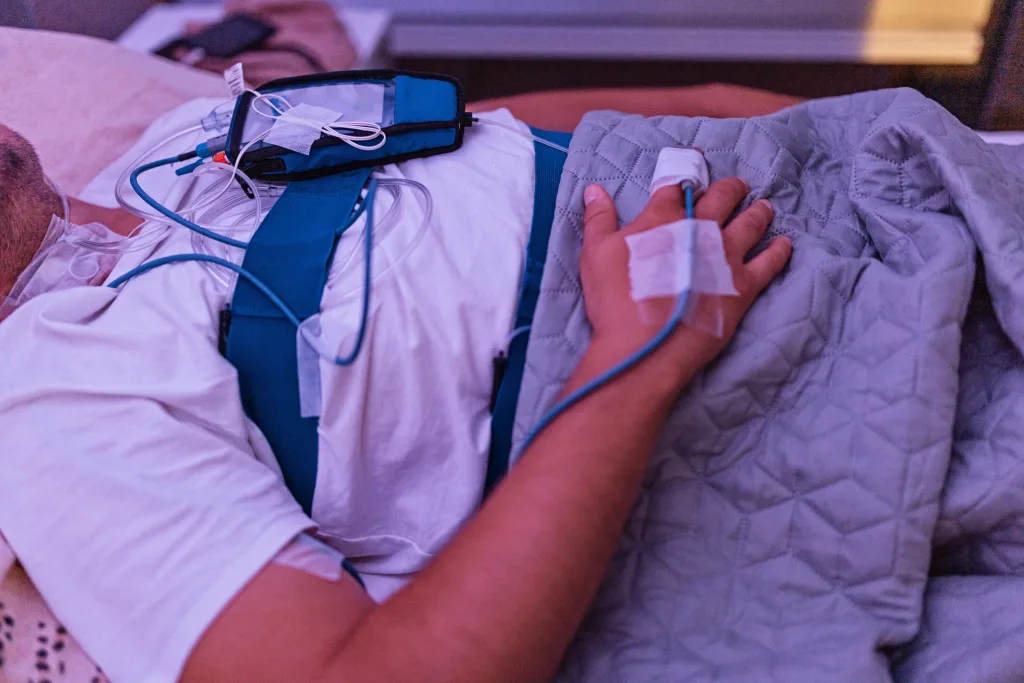
They should expect a simple setup that takes a few minutes. Most kits include a finger oxygen sensor, a nasal cannula, and a chest belt, connected to a small recorder.
They can usually follow normal routines: dinner, a shower, and bedtime at their usual time. The goal is a typical night. If they wake during the night, they generally keep the equipment on and try to return to sleep as usual.
How accurate are home sleep studies compared with in-lab studies?
They can be highly effective for diagnosing obstructive sleep apnoea in people with clear symptoms and risk factors. For many, the results are sufficient to guide treatment.
However, in-lab studies are more comprehensive and can be more appropriate when symptoms are complex, results are borderline, or there is concern about other conditions. If a home study is negative but symptoms remain strong, clinicians often recommend an in-lab test.
What happens after the study, and how long do results take?
After the night is complete, they return the device according to the provider’s process, such as drop-off or prepaid post. A clinician then analyses the recording and generates a report.
Turnaround times vary, but many Sydney providers return results within several business days. They may then be offered a follow-up appointment to explain findings, discuss severity, and outline treatment options.
What are the most common outcomes and next steps?
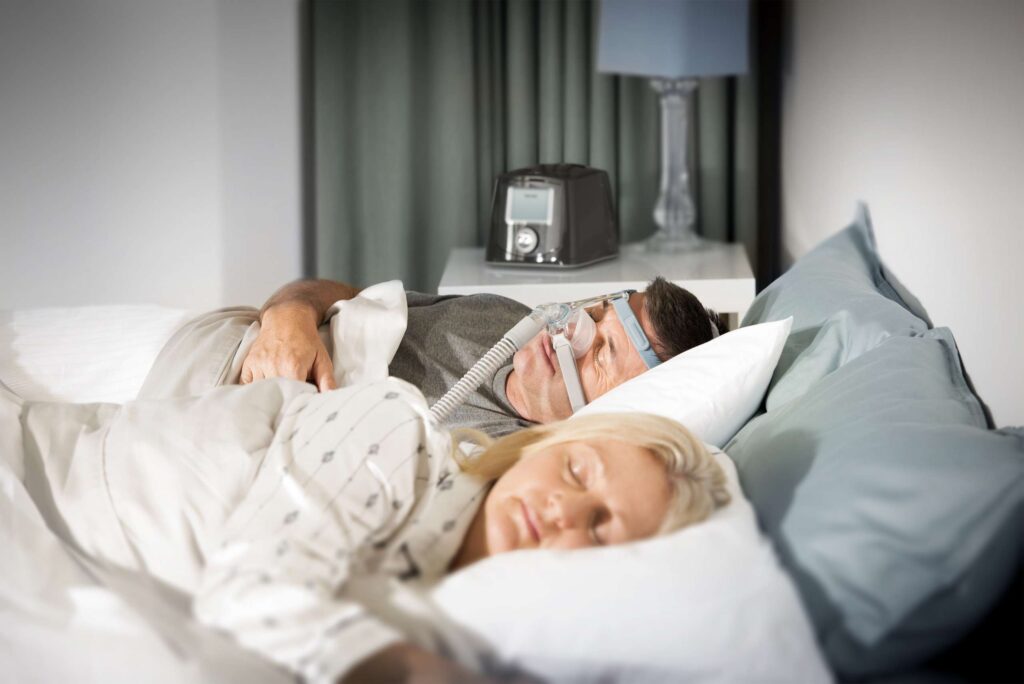
If the study suggests obstructive sleep apnoea, the next step is often treatment planning. This may involve CPAP therapy, an oral appliance, positional therapy, weight management strategies, or referral to an ENT specialist, depending on severity and anatomy.
If the study is inconclusive, they may be asked to repeat the test or proceed to an in-lab sleep study. If it is normal, clinicians may explore other causes of fatigue, such as insomnia, iron deficiency, medications, or mood-related sleep disruption. Learn about bulk-billed sleep study Brisbane eligibility and cost-saving options.
How can they prepare to get the best possible recording?
They should read the instructions early, not right before bed. A short practice run can reduce setup errors.
They should also aim for a typical night: avoid unusually late nights, keep alcohol intake consistent with normal habits, and ensure the sensors are secure. If they use regular medications, they should follow their clinician’s guidance rather than changing anything for the test.
How should they decide between a home sleep study and a lab study in Sydney?
They should choose a home study when the main concern is sleep apnoea and convenience, cost, and speed matter. It is often a sensible first test for straightforward cases.
They should consider an in-lab study when there is severe insomnia, suspected neurological sleep issues, significant heart or lung disease, or when a previous home study did not match how they feel. The best choice is usually guided by a GP or sleep clinician based on symptoms and medical history.
FAQs (Frequently Asked Questions)
What is a home sleep study and how does it work for diagnosing sleep apnoea?
A home sleep study is a take-home test that monitors breathing during sleep by recording airflow, breathing effort, oxygen levels, heart rate, and body position. Users wear sensors connected to a small device overnight at home, and the data is reviewed by a sleep clinician to assess for obstructive sleep apnoea and recommend next steps.
Who is best suited for a home sleep study in Sydney?
Home sleep studies are ideal for people with a moderate to high likelihood of obstructive sleep apnoea, especially those experiencing loud snoring, witnessed breathing pauses, morning headaches, or daytime sleepiness. They also suit individuals who prefer sleeping at home, have trouble sleeping in unfamiliar environments, or want a faster and more affordable alternative to in-lab testing.
What are the main advantages of choosing a home sleep study over an in-lab study?
The primary benefits include greater comfort by sleeping in your own bed, typically lower cost compared to laboratory studies, easier scheduling options in Sydney, and convenient device pickup or delivery services that reduce delays in diagnosis and treatment initiation.
What limitations should I be aware of when opting for a home sleep study?
Home sleep studies do not capture as much detailed information as full laboratory tests; they often estimate rather than directly measure sleep time since brain wave monitoring is absent. They may miss other sleep disorders like movement disorders or complex insomnia. Incorrect sensor placement or movement during the night can also lead to incomplete recordings requiring repeat testing.
How accurate are home sleep studies compared to in-lab polysomnography?
Home studies are highly effective for diagnosing obstructive sleep apnoea in patients with clear symptoms and risk factors and often provide sufficient information to guide treatment. However, in-lab studies are more comprehensive and preferred when symptoms are complex, results are borderline, or other conditions are suspected. Negative home study results with persistent symptoms usually warrant further in-lab testing.
What happens after completing a home sleep study and how soon will I receive my results?
Once the test night is complete, the device is returned via drop-off or prepaid post according to provider instructions. A clinician analyzes the data and generates a report typically within several business days. Patients may then have a follow-up appointment to discuss findings, severity of any condition detected, and available treatment options such as CPAP therapy or referrals.